Power and fitting
High-power devices need appropriate programming and physical fit. The hearing professional considers hearing thresholds, speech understanding, feedback risk and comfort when setting amplification.
Severe hearing loss often requires more powerful hearing technology, careful fitting and regular follow-up. Power BTE hearing aids are commonly considered because they can provide the output needed for higher levels of hearing loss while offering practical controls and accessories. A hearing assessment should guide the choice. The goal is not simply maximum volume, but clear, comfortable and usable hearing.
Get Price & Free Trial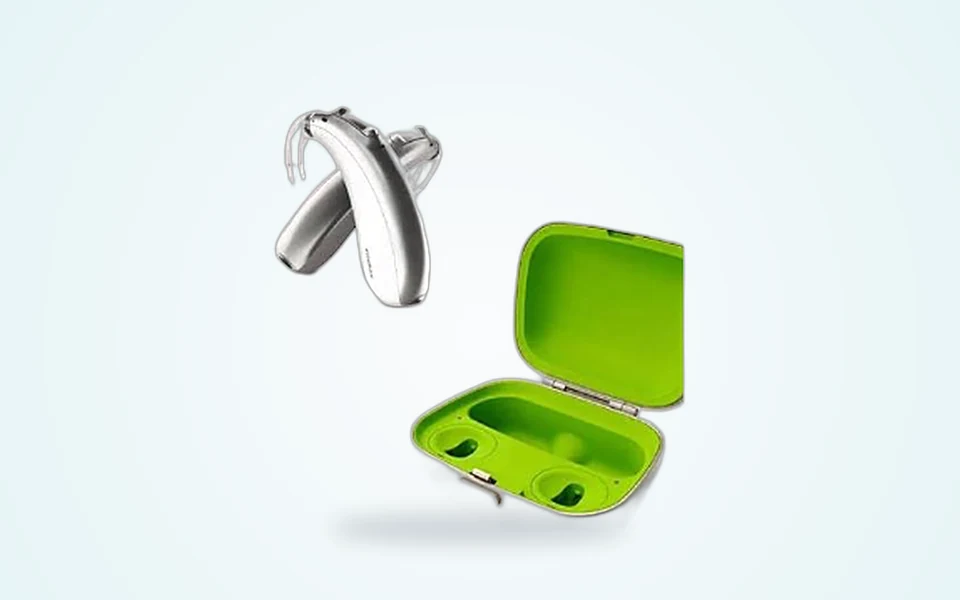
Severe hearing loss often requires more powerful hearing technology, careful fitting and regular follow-up. Power BTE hearing aids are commonly considered because they can provide the output needed for higher levels of hearing loss while offering practical controls and accessories. A hearing assessment should guide the choice. The goal is not simply maximum volume, but clear, comfortable and usable hearing.
Look beyond the device itself. A hearing aid works best when it is appropriately selected, programmed and adjusted over time. Ask about fitting, trial options, warranty terms, accessories, cleaning and aftercare before making a final decision.
Think about the situations where hearing is hardest: conversations at home, family gatherings, restaurants, meetings, television or outdoor environments. These details help determine which features are useful and which are unnecessary.
Hearing aids may need fine adjustments after you start wearing them. Comfortable amplification, speech clarity and your own feedback are all important parts of a successful fitting journey.
The right hearing aid depends on hearing loss, lifestyle, comfort preferences, ear anatomy, features and budget. A professional hearing assessment should guide the choice.
Hearing Comforts can explain available trial options and help you compare suitable devices before you make a purchase.
A hearing test is strongly recommended because hearing aid selection and programming should be based on your hearing levels and listening needs.
Start with a hearing test and get clear guidance on hearing aid type, features, fit and budget.
COMPLETE BUYING GUIDE
Severe hearing loss often requires carefully selected amplification and professional fitting. High-power hearing aids, commonly in BTE styles, may be considered depending on the hearing profile.
High-power devices need appropriate programming and physical fit. The hearing professional considers hearing thresholds, speech understanding, feedback risk and comfort when setting amplification.
BTE hearing aids can accommodate larger components and power requirements while remaining serviceable and versatile. The right style depends on individual needs.
Strong amplification makes correct fitting especially important. Feedback, discomfort or excessively loud sound should be addressed through professional adjustment rather than simply reducing use.
Severe hearing loss users may benefit from more frequent follow-up, cleaning, ear-mould or coupling checks and periodic reprogramming as hearing needs or device settings change.